


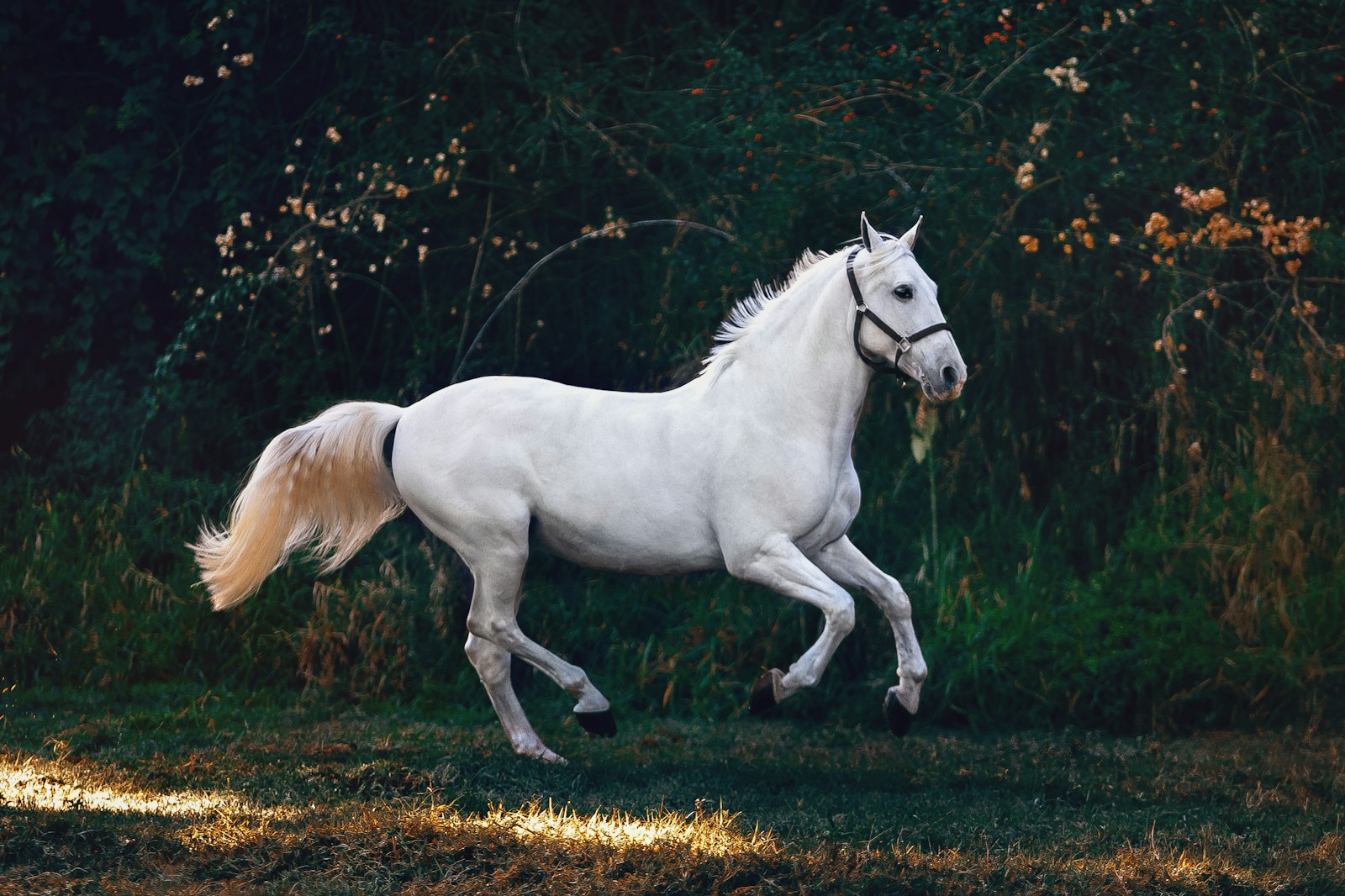
The Arabian: Endurance In The Blood
 GoldFields Nutrition Team•
•
6 min read
GoldFields Nutrition Team•
•
6 min read
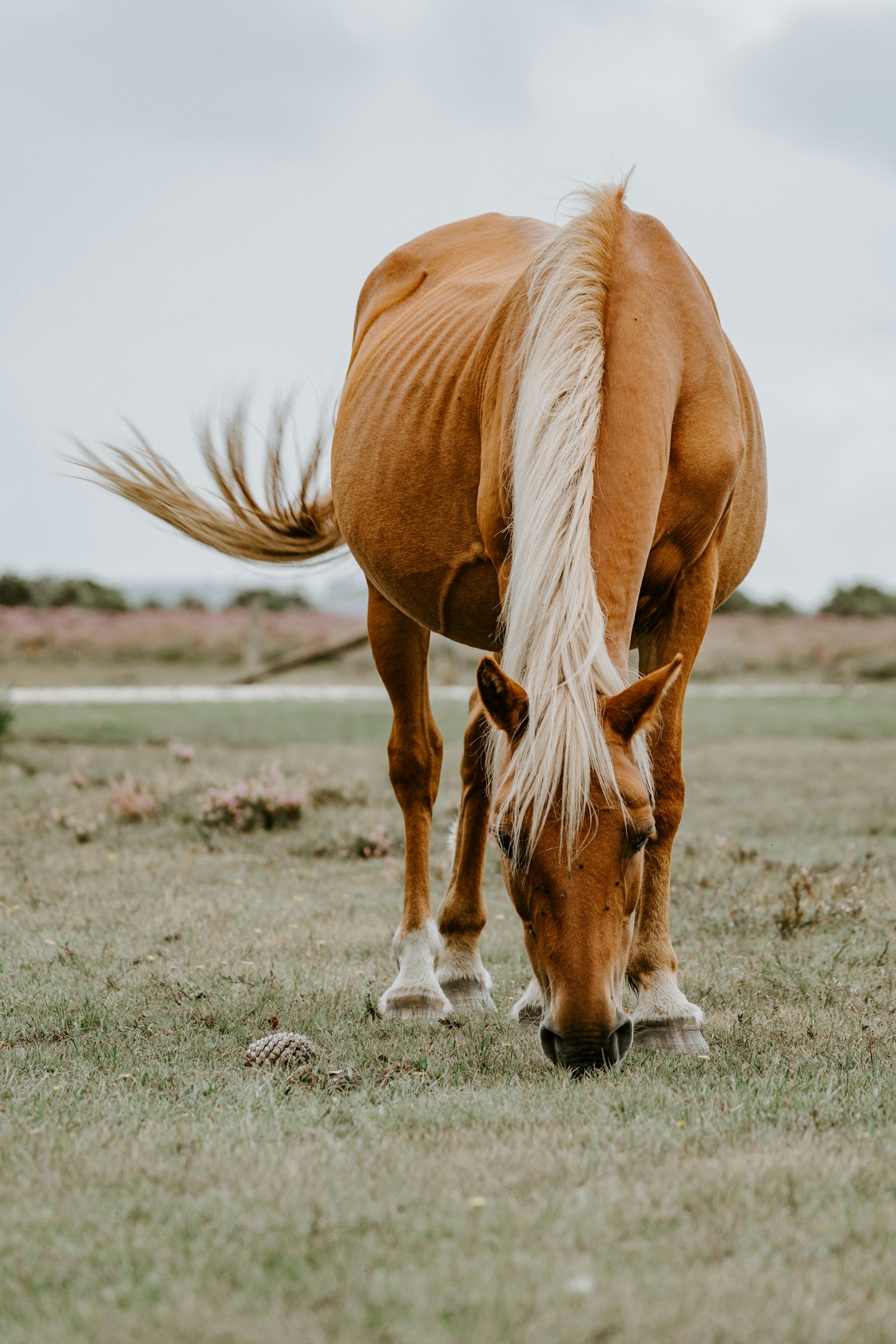
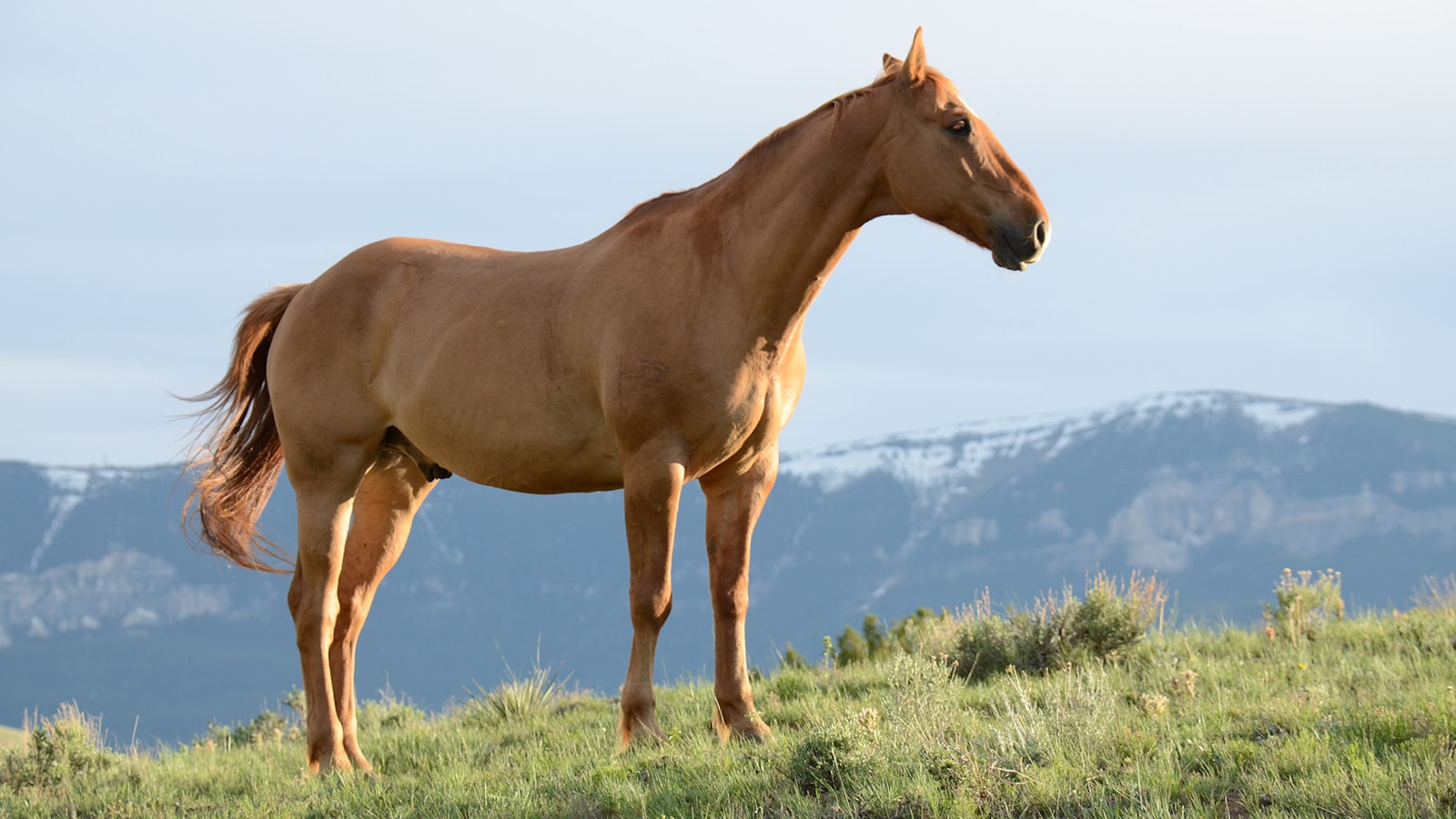
The Arabian evolved on sparse desert grazing, covering long distances on very little. Drop that metabolism into a modern yard with rich pasture and a scoop of hard feed twice a day, and you have a problem.
The thrifty gene is not a myth
Arabians extract more from less. That is a survival advantage in Najd and a liability in a well managed paddock. The practical consequence is simple: an Arabian will hold condition on a ration that would leave a Thoroughbred looking poor.
If you are feeding your Arabian the same as the warmblood in the next box, one of them is being fed wrong.
What to feed
- Low sugar grass hay as the backbone. Timothy, Rhodes or Bermuda are ideal.
- Avoid unrestricted spring grass. This is where most metabolic trouble starts.
- Chopped dust extracted straw mixed into the hay to extend chew time without adding calories.
- A balancer rather than a compound feed, so vitamins and minerals arrive without the energy.
Typical daily ration
| Workload | Forage (% bodyweight) | 450 kg Arabian |
|---|---|---|
| Maintenance | 1.5% | 6.8 kg |
| Light / endurance training | 1.8% | 8.1 kg |
| Competition season | 2.2% | 9.9 kg |
Endurance specifics
For distance work the priority shifts to hydration and electrolytes, not calories. A well hydrated horse carrying moderate condition will beat a fat one every time. Forage is your water reservoir — a horse eating 10 kg of hay holds several litres of water in the hindgut.
Watch for
- Cresty neck and fat pads over the shoulder
- Footiness on hard ground after a grass flush
- Sudden weight gain on unchanged work
Any of those and it is worth pulling a hay analysis before changing anything else.
The people who write your feeding plans.